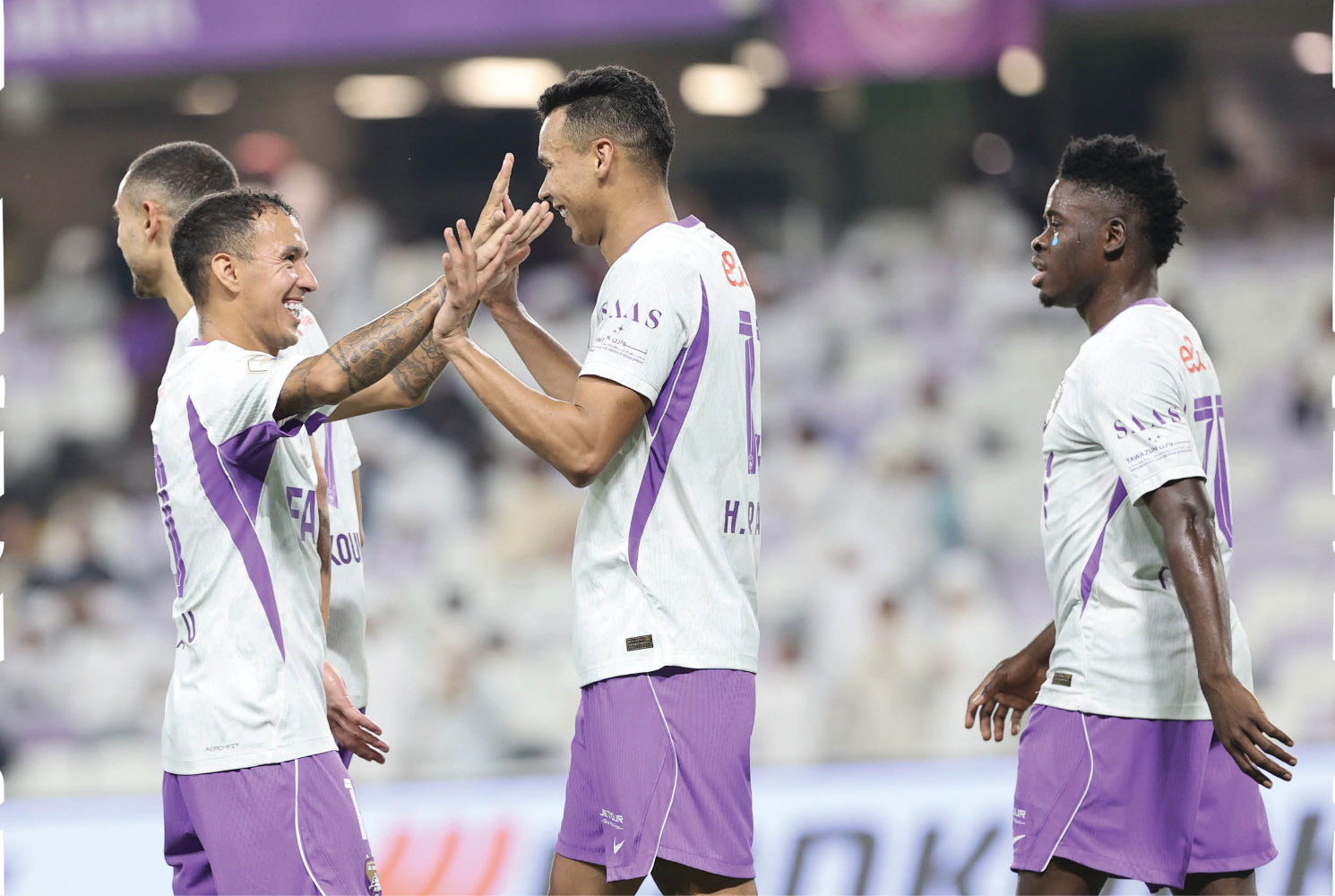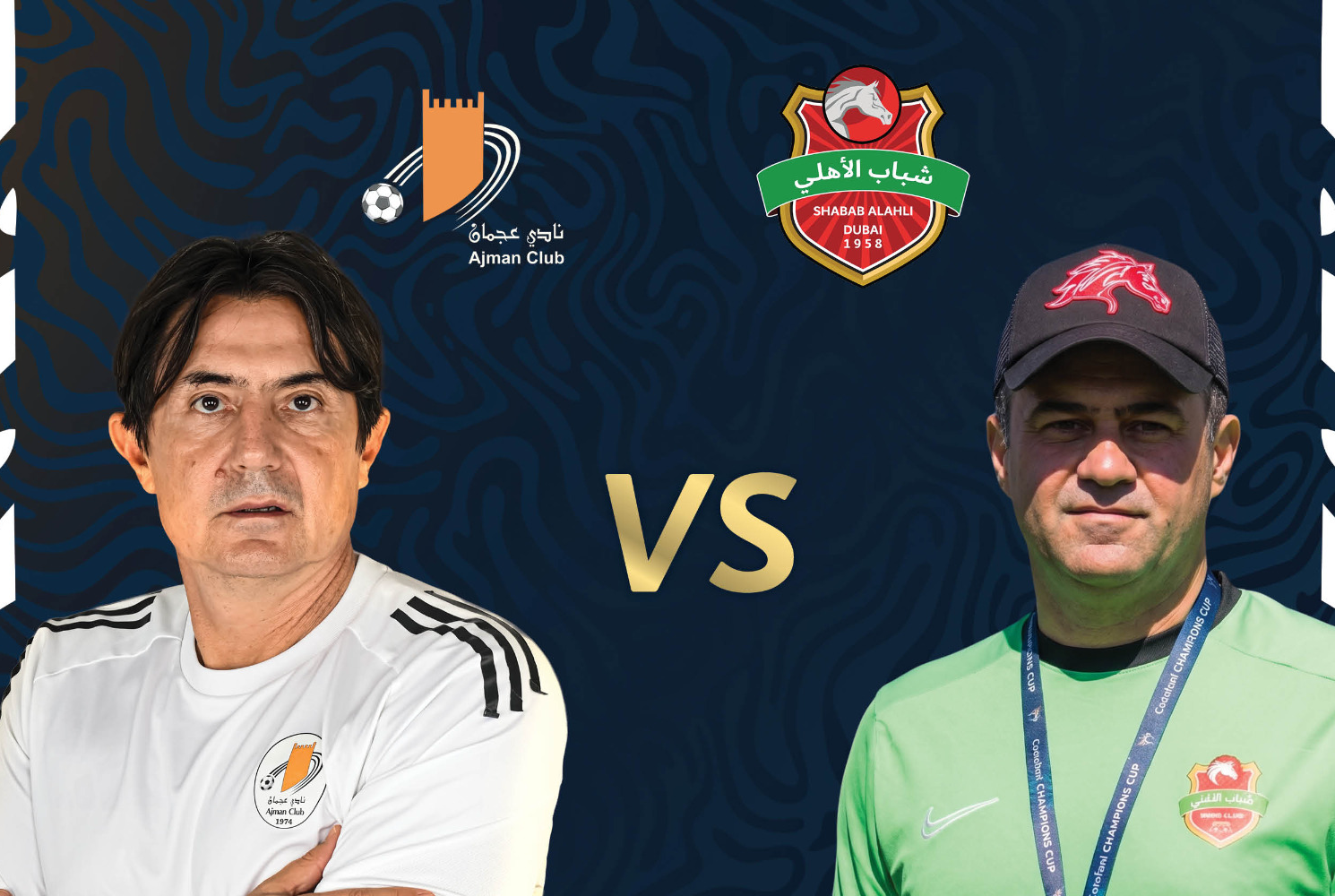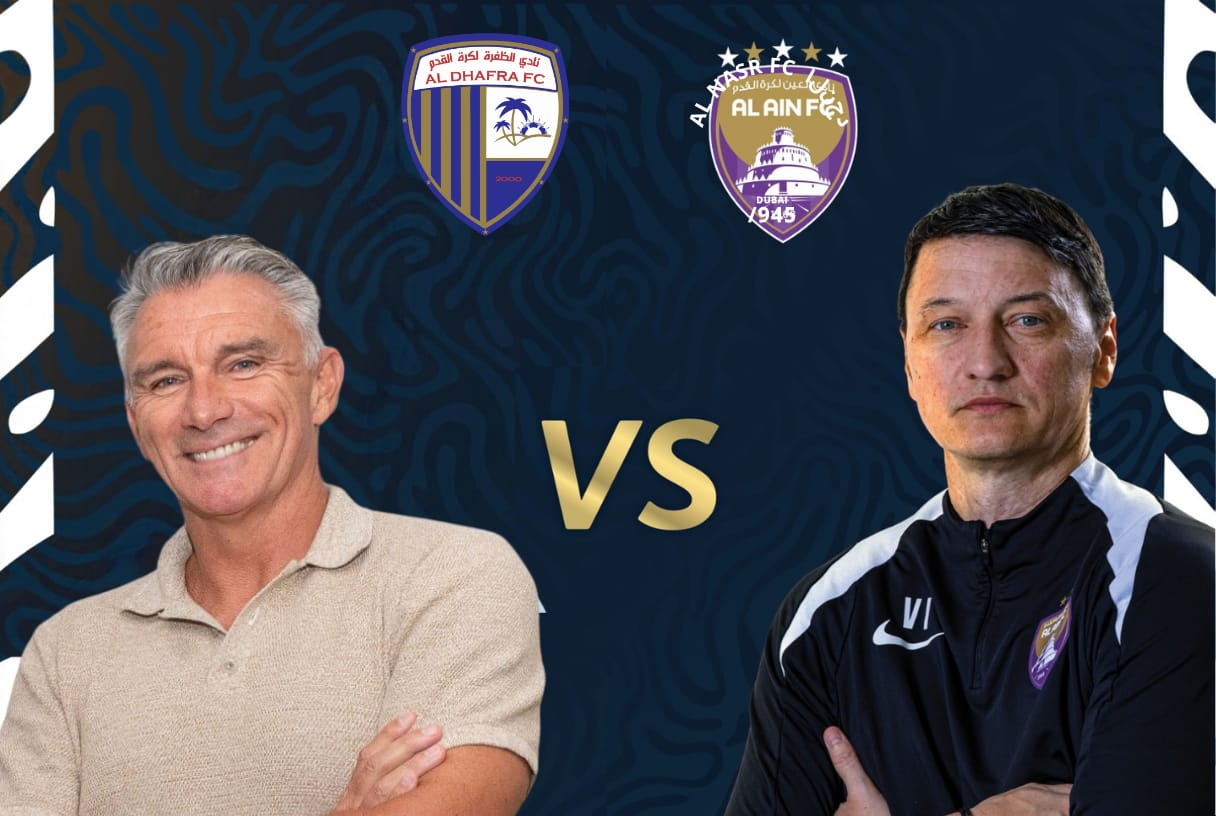
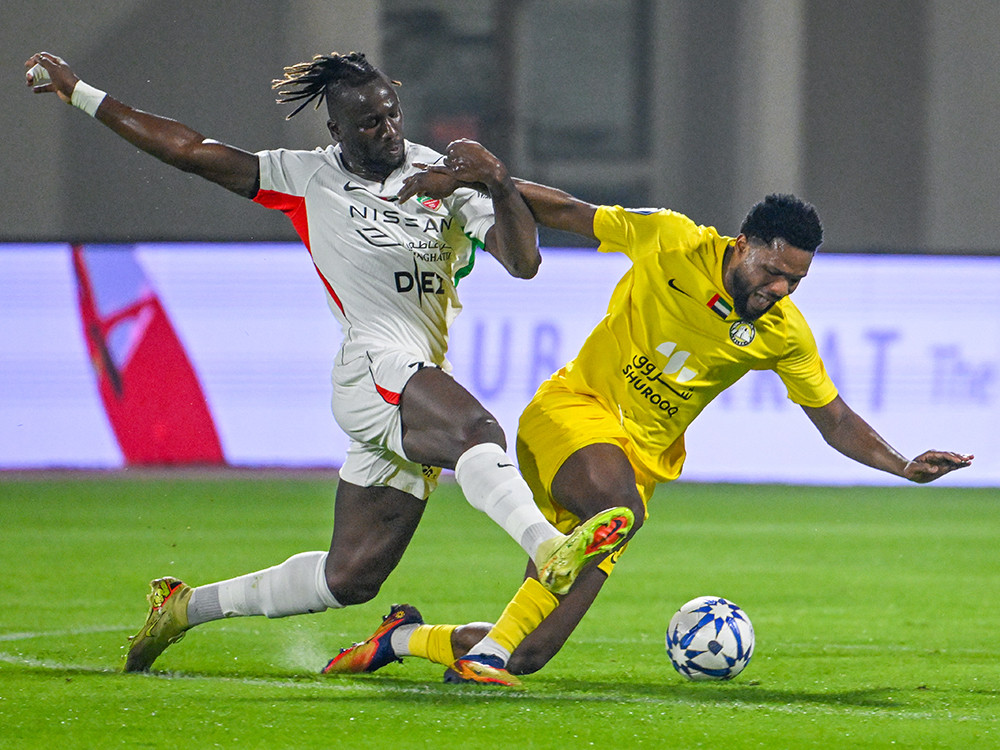
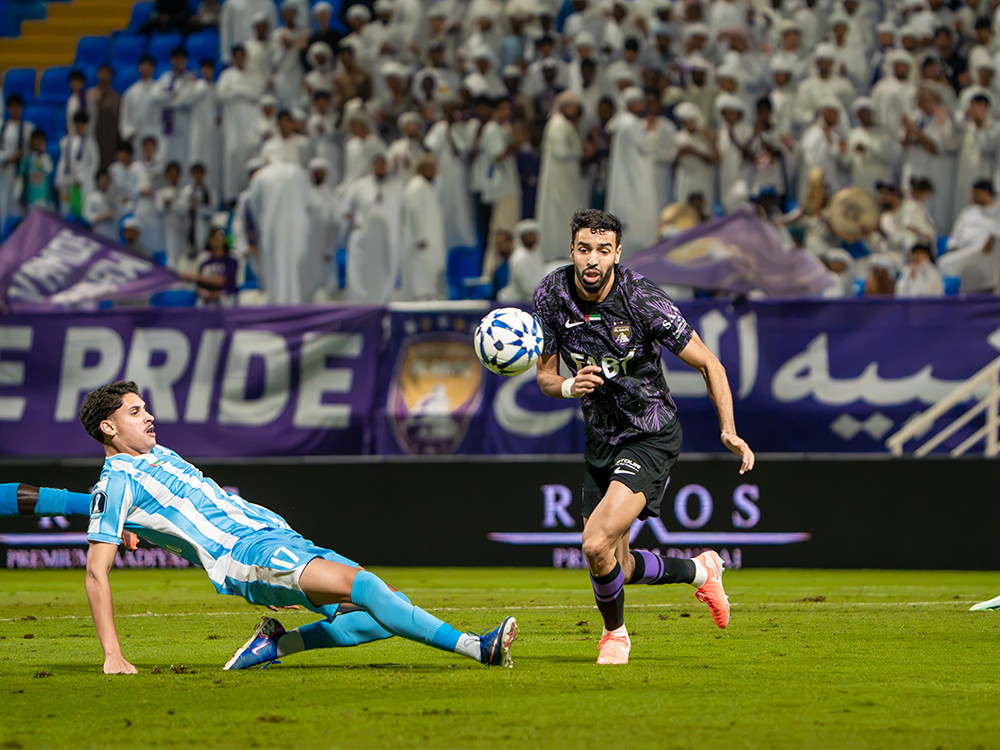
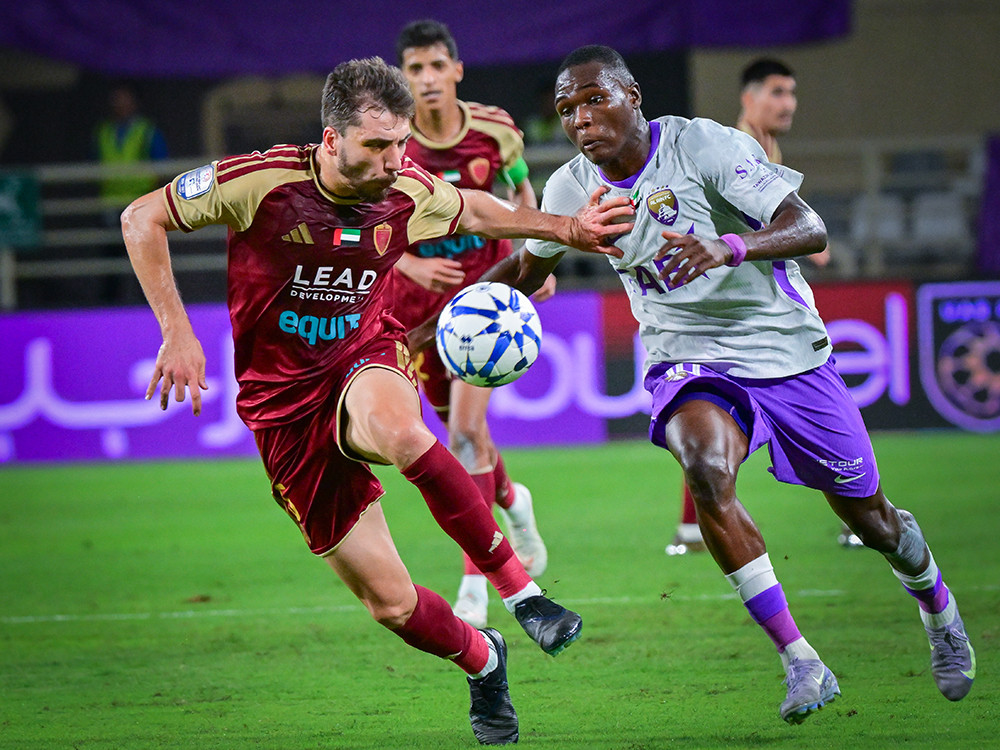
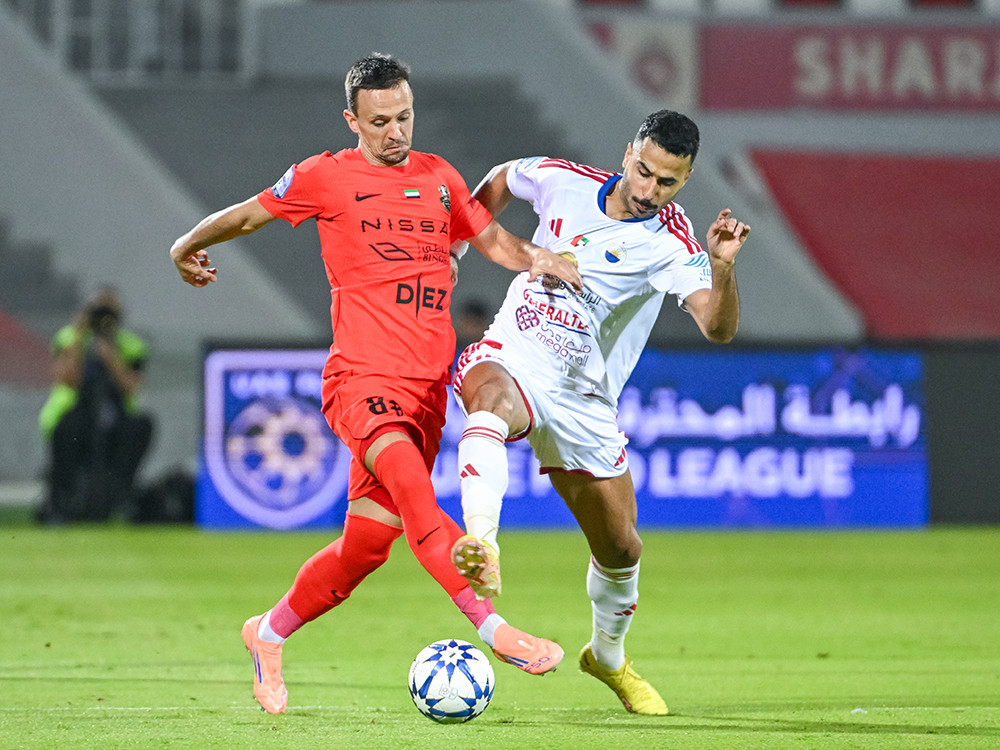
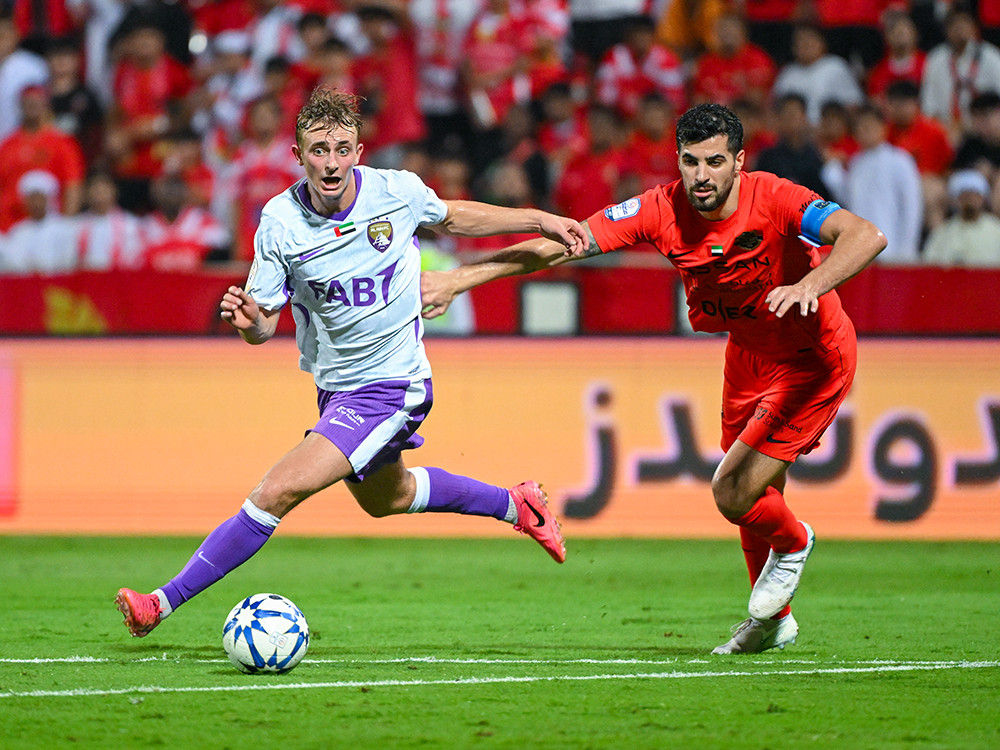
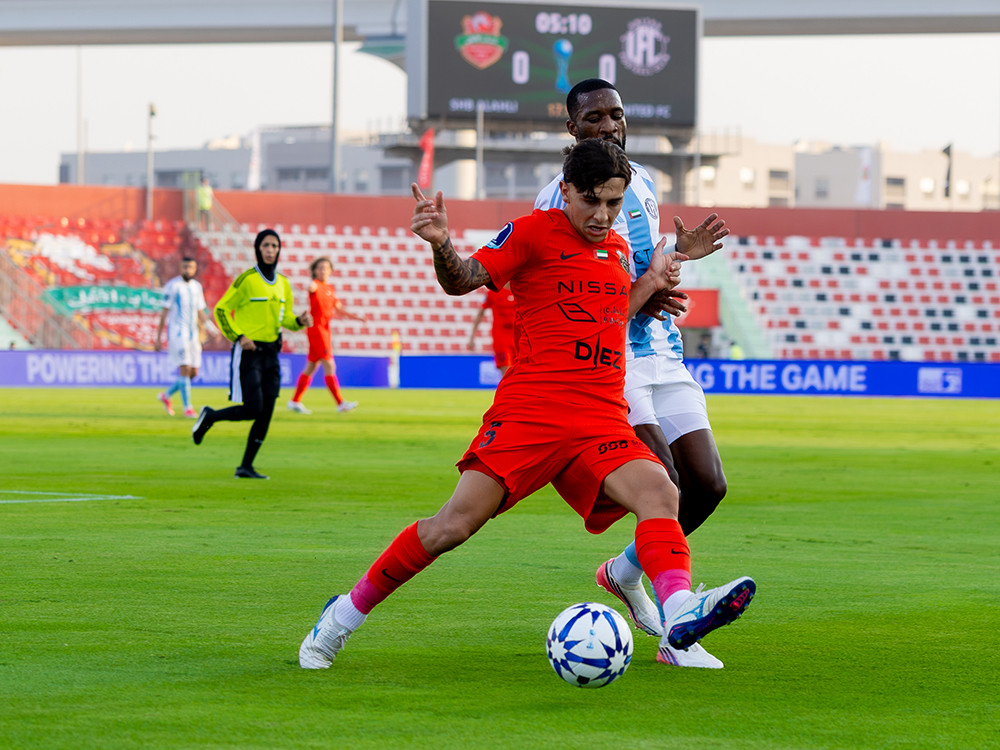
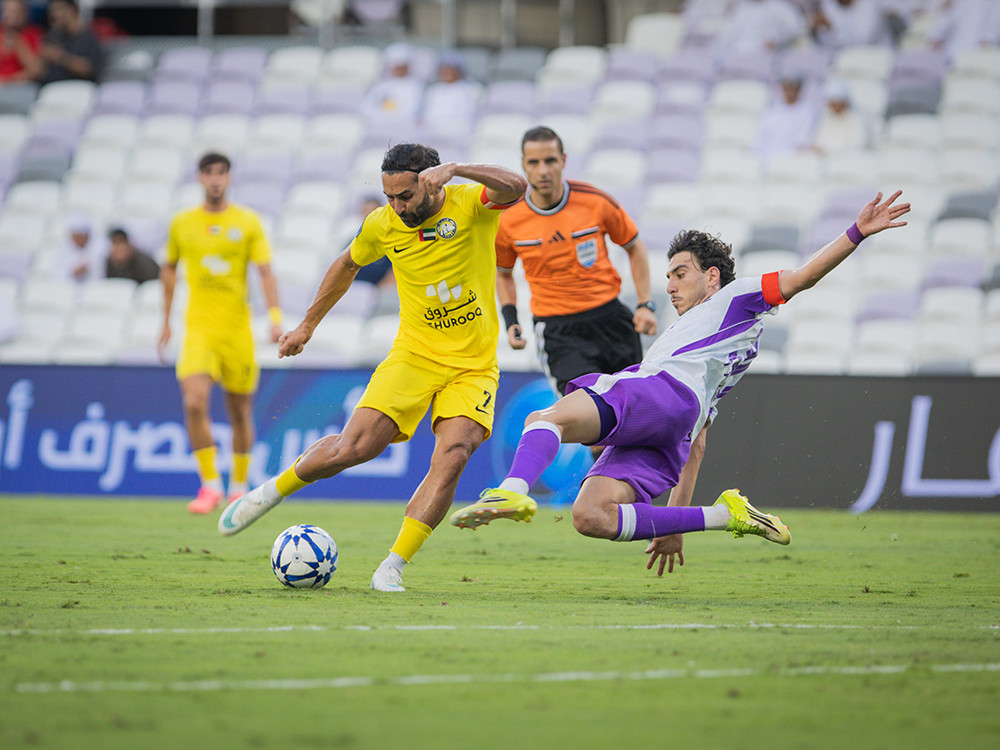
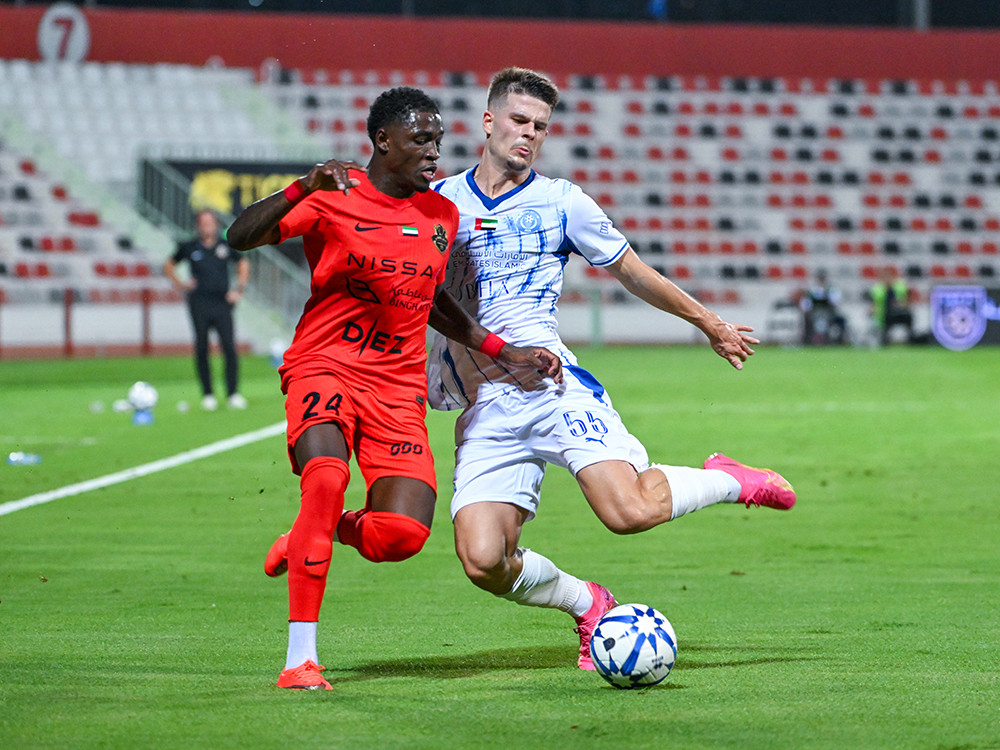
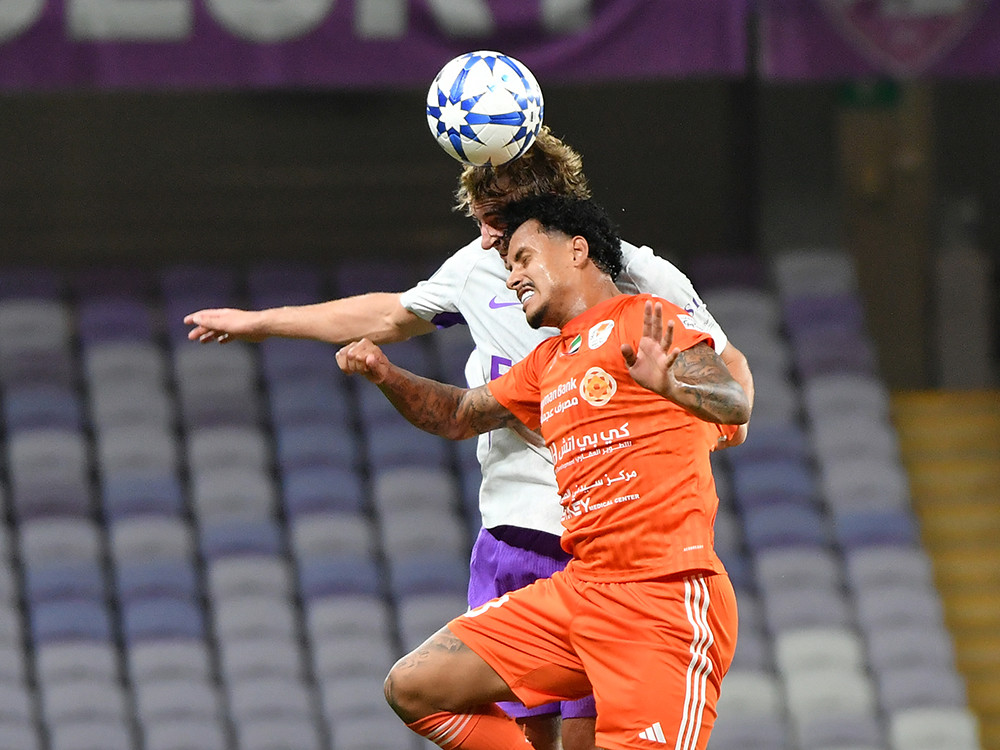
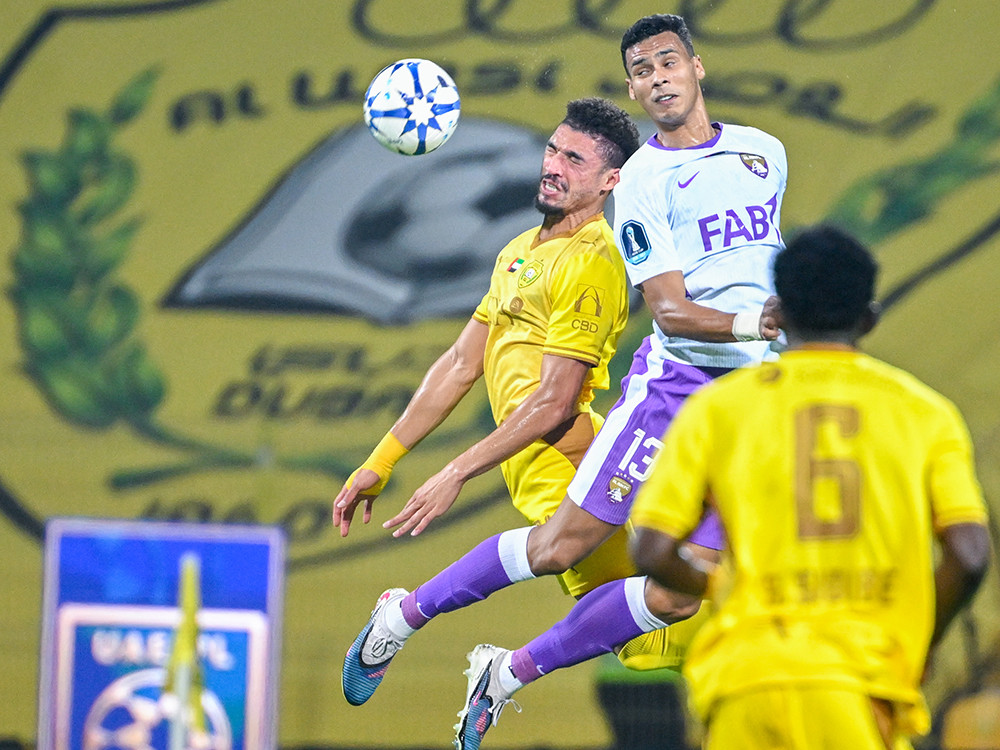
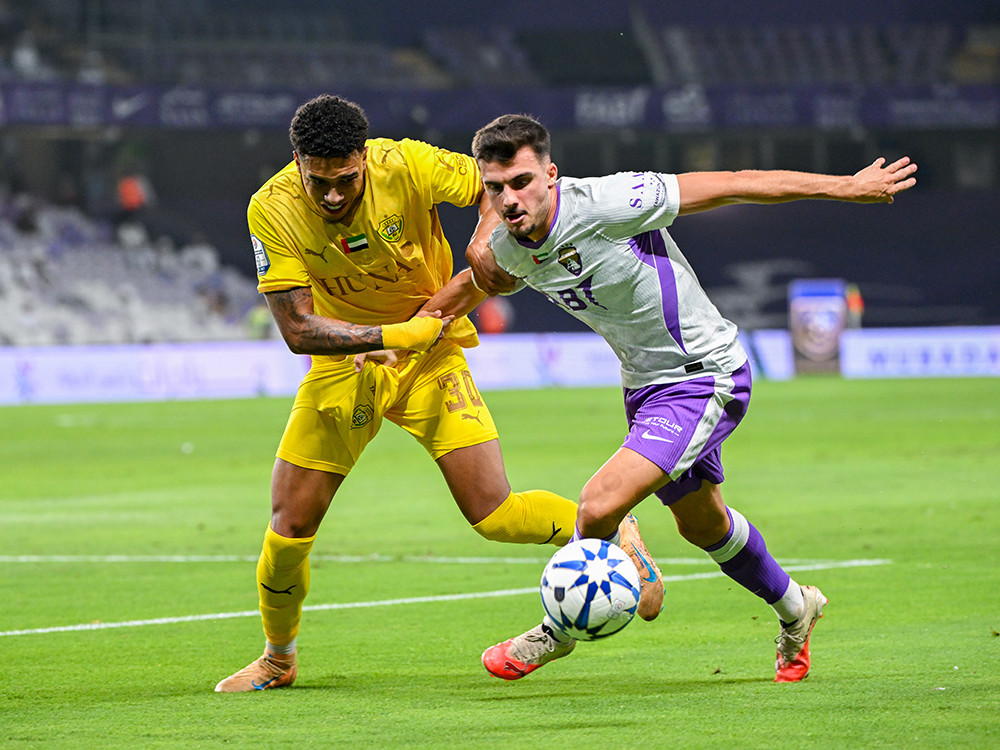
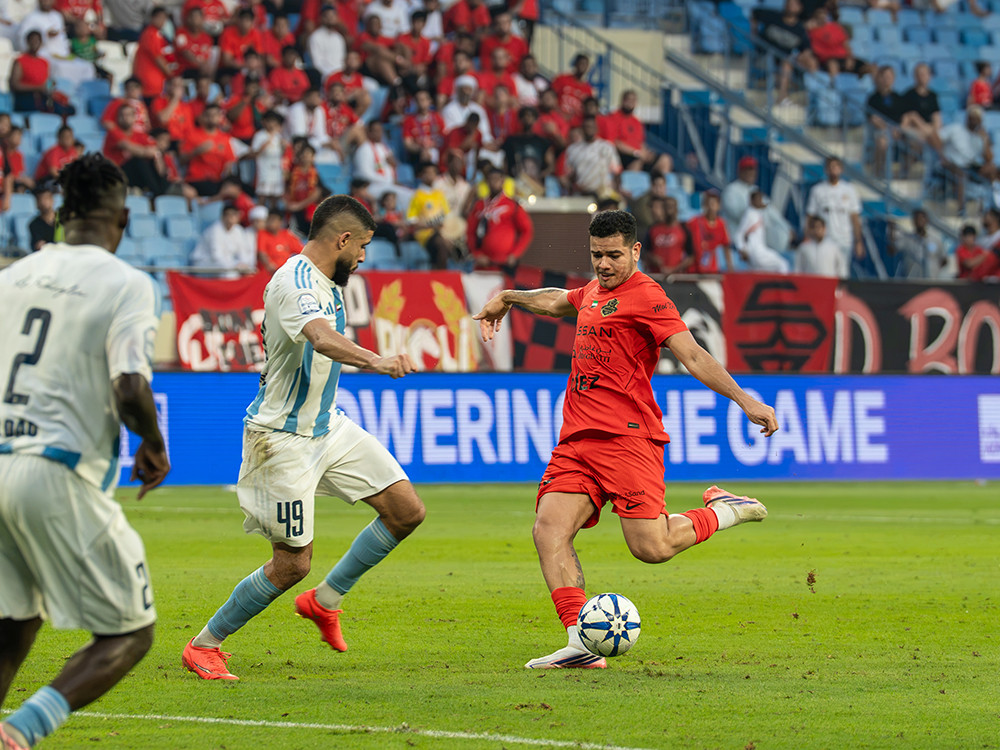
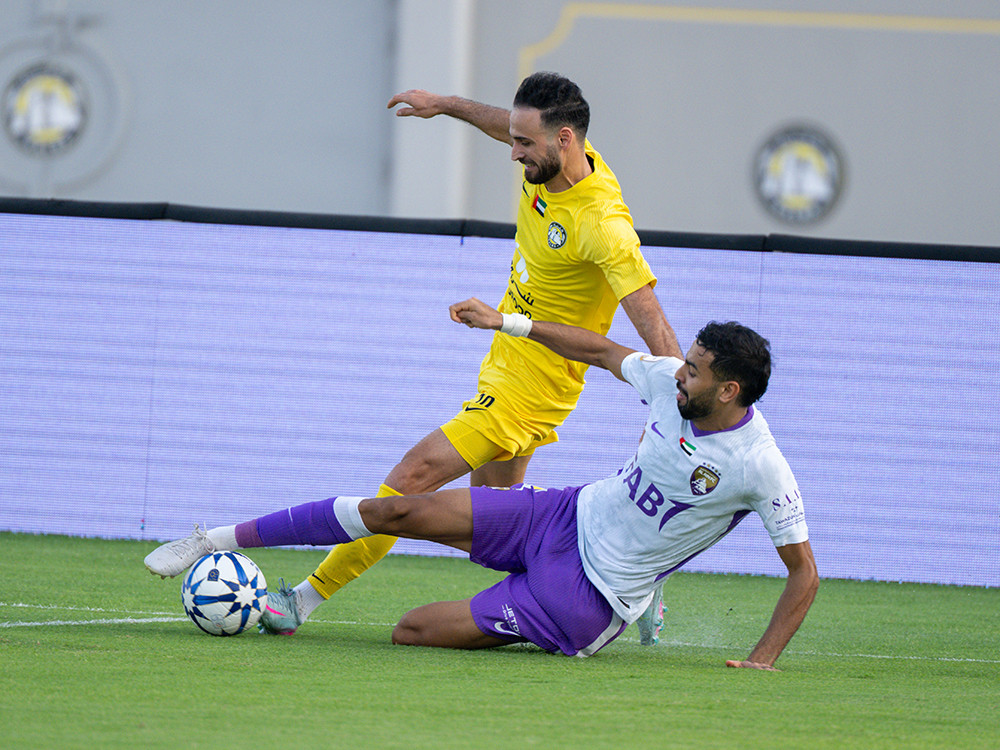
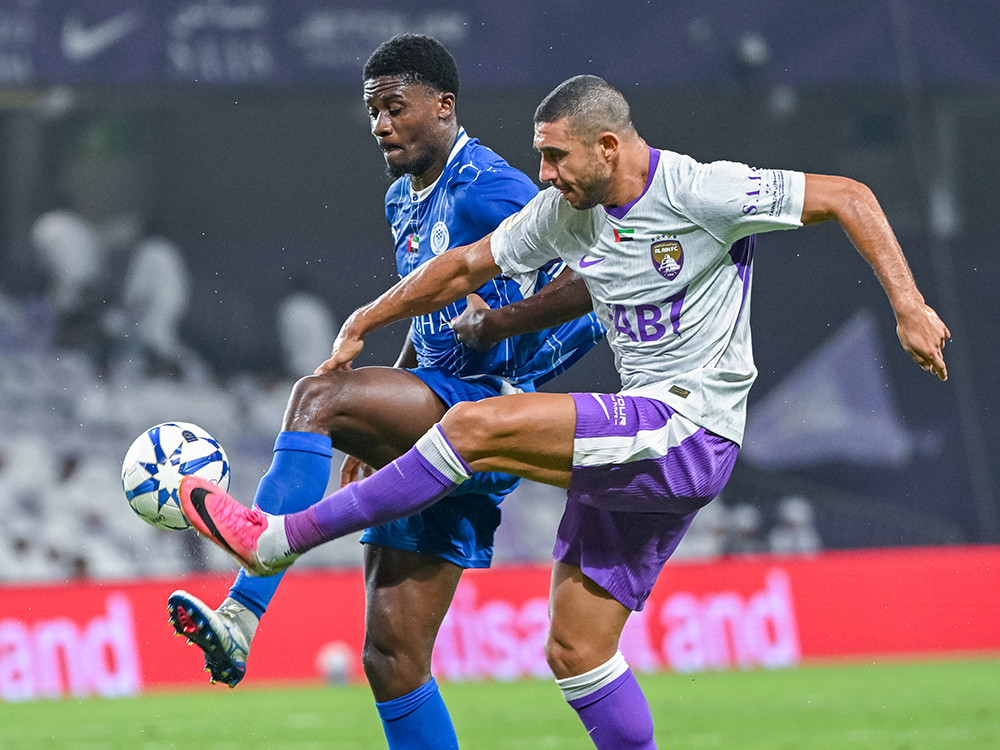
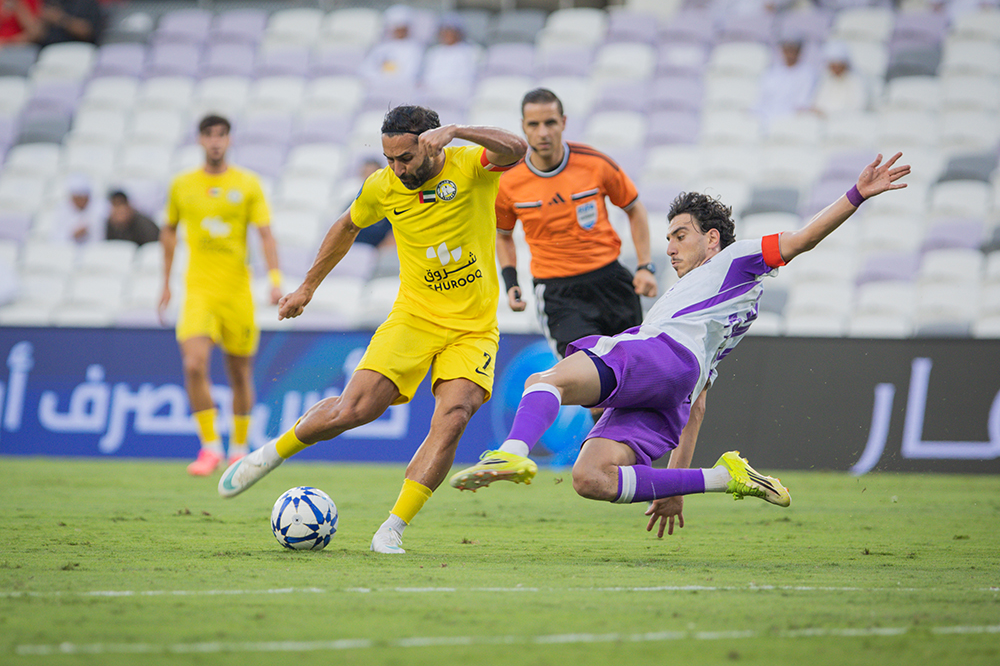
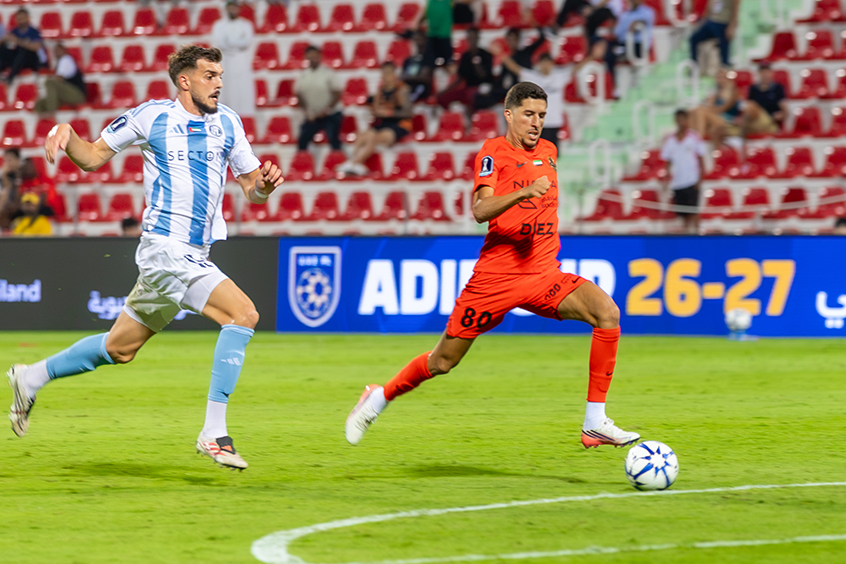
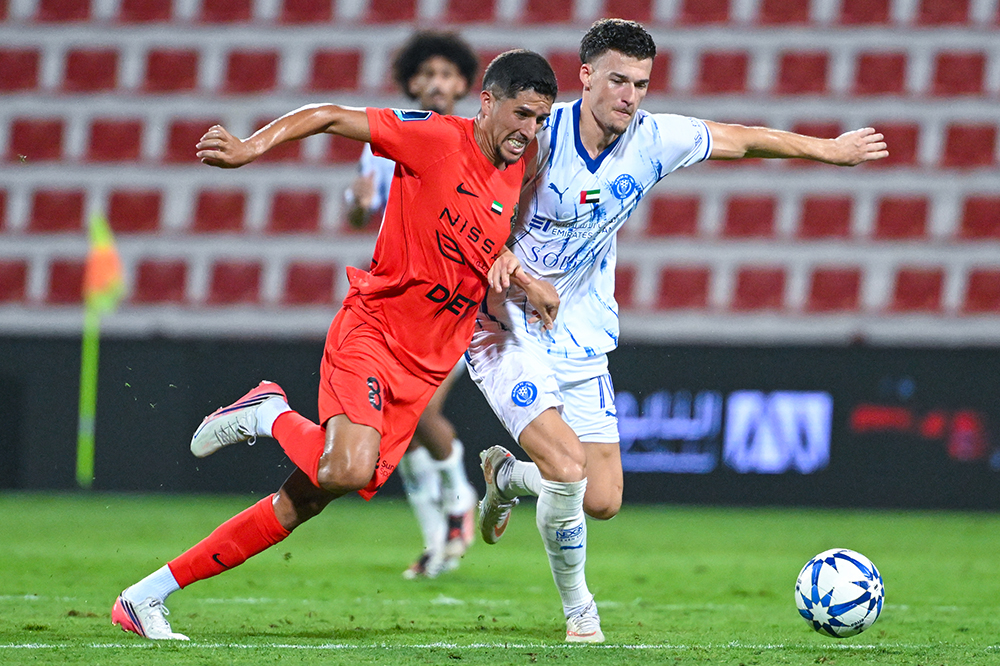
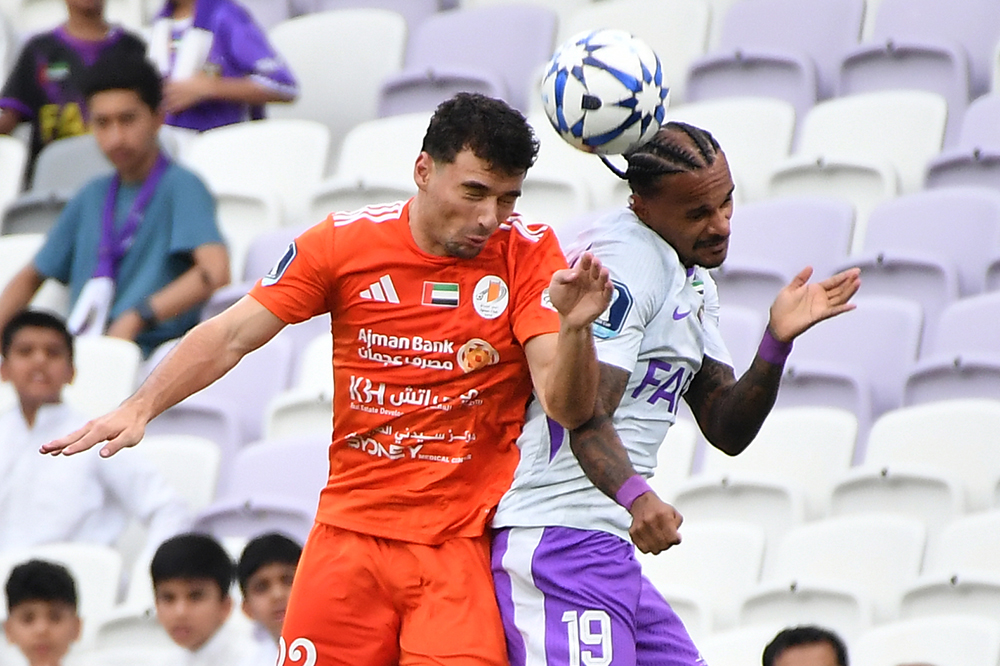
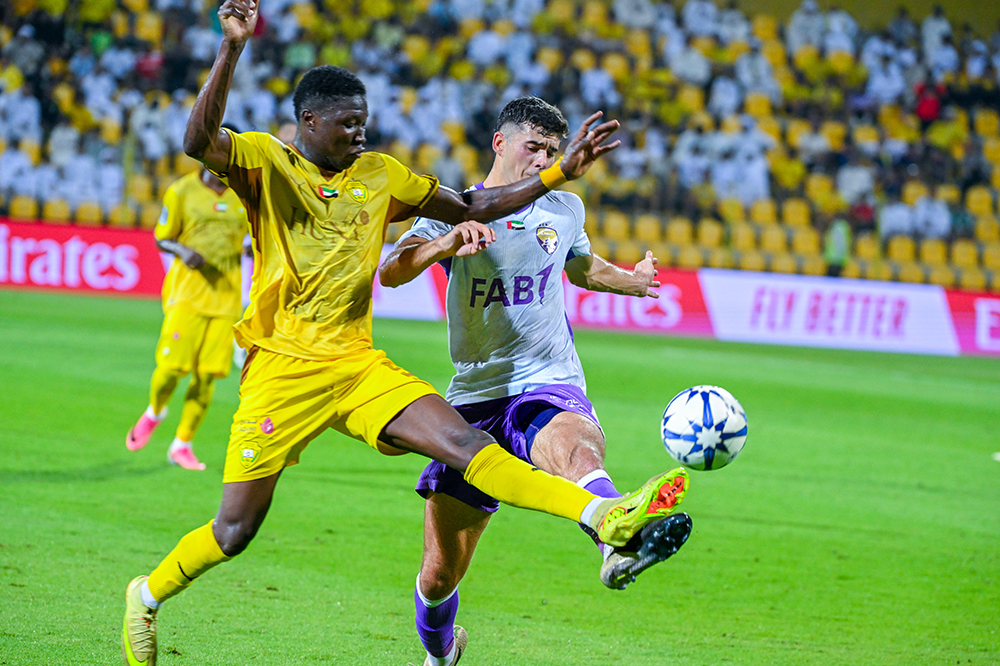
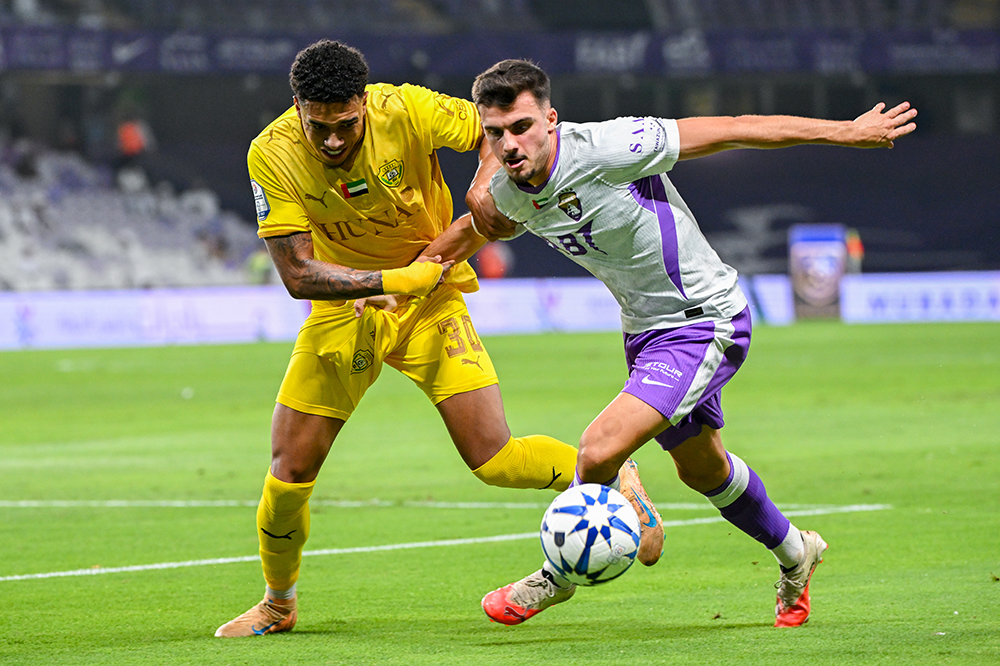
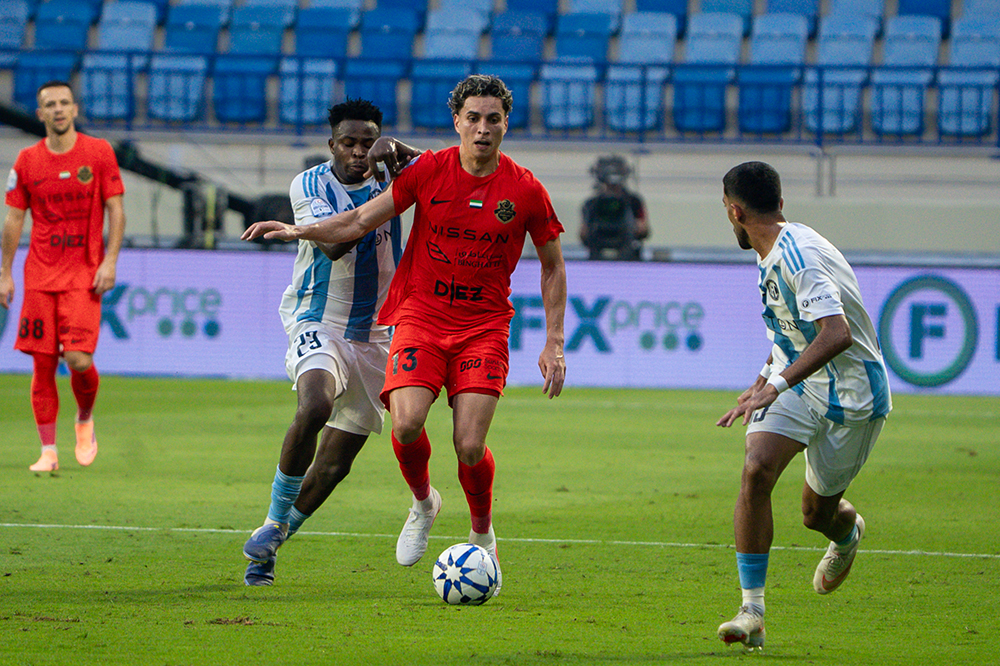
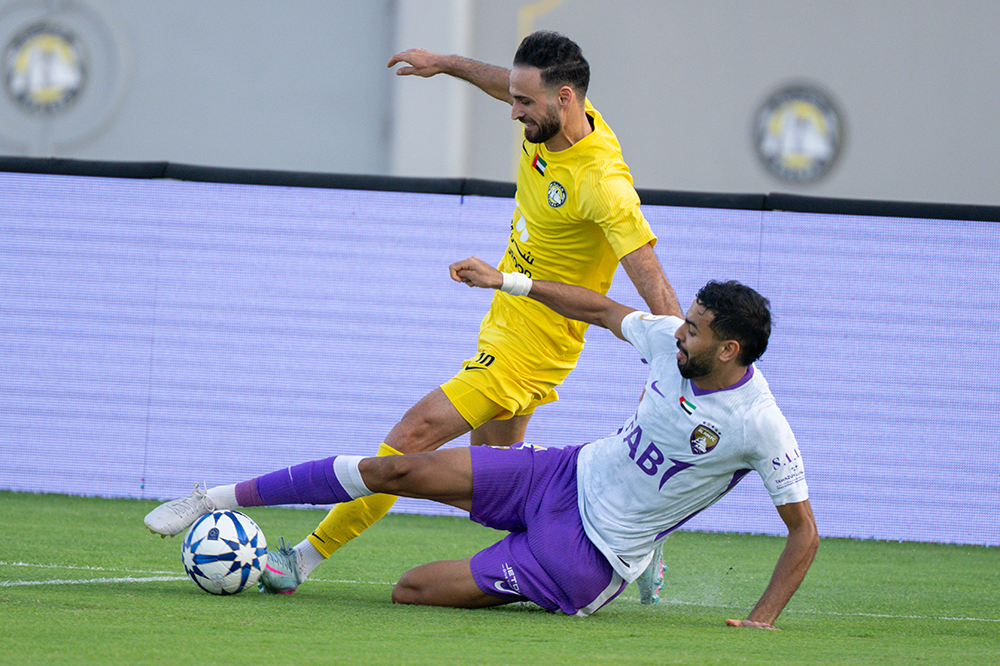
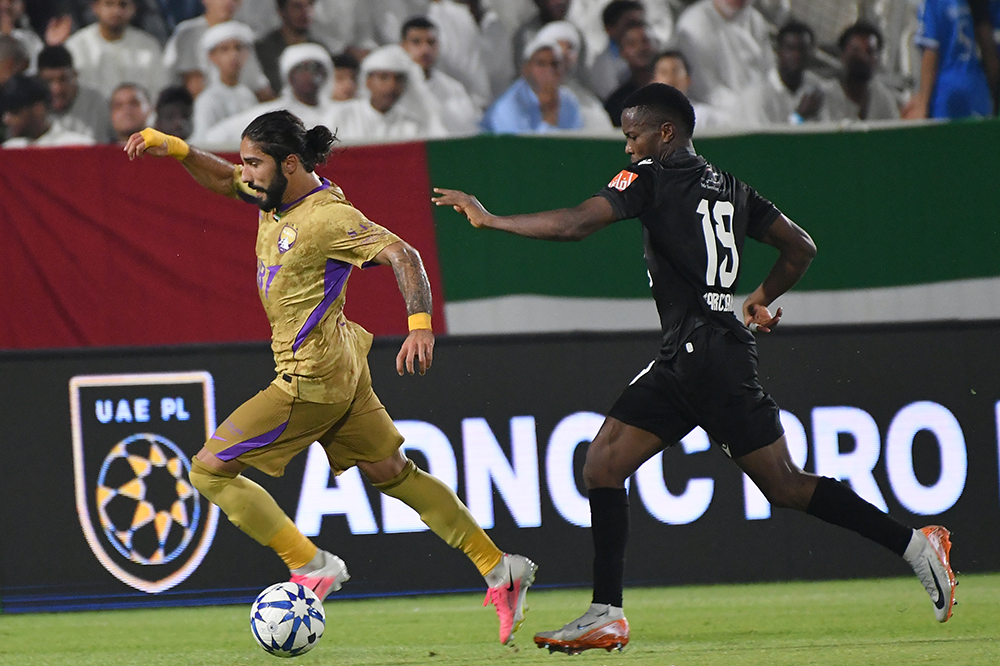
The upcoming EMAAR Super Cup clash between Al Ain and Shabab Al Ahli brings together two clubs chasing further silverware against a backdrop of remarkable historical balance between league and cup champions.
The 2026–27 showdown will take place at Mohamed bin Zayed Stadium on Sunday, November 29, at 19:30.
Al Ain, who completed the domestic double by winning the ADNOC Pro League and UAE President's Cup last season, will be seeking their fourth Super Cup title.
Shabab Al Ahli, meanwhile, enter as league runners-up and will be aiming for a record-extending eighth title, having already lifted the trophy seven times.
The encounter also offers Shabab Al Ahli the opportunity to maintain their perfect Super Cup record against Al Ain at Mohamed bin Zayed Stadium, where they defeated their rivals in the 2013–14 and 2014–15 editions.
The history of the Super Cup in the professional era reveals an intriguing balance between the winners of the UAE's two major domestic competitions.
League champions have gone on to lift the Super Cup on seven occasions: 2012–13, 2014–15, 2015–16, 2016–17, 2019–20, 2021–22 and 2023–24.
UAE President's Cup winners have also claimed seven titles, triumphing in 2008–09, 2009–10, 2010–11, 2013–14, 2017–18, 2020–21 and 2022–23.
However, league and cup runners-up have also played an important role when one club has completed the domestic double.
In 2011–12, Al Wahda entered as President's Cup runners-up and defeated double winners Al Jazira on penalties.
Al Wahda repeated the achievement in 2018–19, this time qualifying as league runners-up and overcoming double winners Al Ain, again through a penalty shootout.
The pattern continued in 2024–25 when league runners-up Shabab Al Ahli defeated Al Wasl on penalties, following a 2–2 draw.
In the 2025–26 edition, league runners-up Sharjah defeated double winners Shabab Al Ahli 3–2 to claim the trophy.
With another league runner-up facing a domestic double winner this season, the latest Super Cup offers a fresh chapter in a competition where previous honours have not always determined the outcome.









 Send feedback